

What Does it Take to Be a Glazier?
Glaziers make use of a unique building material to make offices, homes and skyscrapers look stunning. This skill-based craft requires years of education along with extensive on-the job experience.
Glaziers typically learn their trade through an apprenticeship that combines classroom instruction with on-the-job training. They can also pursue a degree at a college in a related field to construction.
Glass Cutting and Sculpting
Glass cutting and sculpting requires both art and science. It also requires precision and expertise. Glazers must be careful in preparing the work area and understand the distinctive characteristics of each kind of glass to ensure accurate measurements, reduce waste material and get the desired aesthetic and functional results for their projects.
Glass cutting is usually accomplished by cutting the glass first using the help of a cutter, breaking it along the lines of scoring. It is perfect for curvy or straight lines, and is ideal for cutting windows and mirrors, forming custom glass doors and basic stained-glass creations.
In the beginning, the glazier should mark the glass with a permanent marker that is not permanent where they want it to be cut. The glazier must take the time to ensure that the mark is as clear and precise as possible. They should also ensure that the marker is securely held to ensure consistent pressure throughout the cutting process.
The glazier will then employ a glass cutter in order to create a consistent score line on the glass. This should be done along the entire edge of your marker line. A uniform force is needed for a clean, efficient fissure. It's recommended that the glazier employs an instrument specifically designed to score glass, such as a supercutter that has a comfort grip (*paid link). These tools are made to apply upward pressure to the glass to cause a fracture.
After the glazier has scored the glass, they can apply pressure to the un-scored side of the glass using running pliers. This technique is more precise and helps avoid crushing the glass. It can be used for scoring lines that are short or long. Alternatively, the glazier can simply tap the glass with a sharp object on a hard surface to propagate the crack along the score line.
After the glass is cut, it can be smoothed by hand or machine to remove any rough edges. This is crucial for safety and to ensure that the edges aren't too sharp for safe handling. This step is helpful for placing the glass in a frame or a lead came. It is also required for custom window designs and artistic glassworks.
Installation
Glaziers install glass fixtures on various structures. They fit shower doors and windows for homes and display cases and tabletops. They may also be used on skylights, decorative room dividers, as well as security glass. They cut pieces of glass and ensure that they are placed and secured correctly in frames or aluminum sashes. They must lift heavy and heavy glass pieces to put them together at the site of work.
Glazing is an art and an occupation skilled glaziers usually look for higher-level certification opportunities, such as the Certificate III in Glass and Glazing. These credentials allow glaziers to perform more complicated tasks and improve their chances of advancing in their careers.
Every installation project such as securing the shopfront window or making custom windows for your home requires the expertise of a seasoned Glazier. They must be able read drawings, blueprints and sketches and have a thorough understanding of the various installation techniques. Continuing education will help glaziers keep abreast with the latest industry trends and learn about new methods that will increase their efficiency and boost the bottom line.
The most basic toolkit for the glazier is comprised of drills and saws as well with power tools, cutters and glass cutting and engraving equipment. They must have the physical strength to lift and maneuver massive, bulky materials and be comfortable working outdoors in varying weather conditions. They also are exposed to chemical solvents and solvents found in adhesives, sealants and etching materials, as well as cleaning solutions. They must also follow the safety guidelines for each task they undertake.
Like all crafts the profession of glazier requires time and dedication. Many people enter the industry through an apprenticeship program that is typically four years long. They can earn a wage while they are training. These programs are typically run by a contractor or union association, and an education degree from a high school is required to be enrolled.
Glaziers can add style to commercial spaces by creating unique custom pieces of glass and fixtures. They can create bespoke windows for restaurants, room dividers, or striking etched patterns on glass doors. Their blend of technical expertise and artistic flair makes them an important factor in the construction industry.
Repair
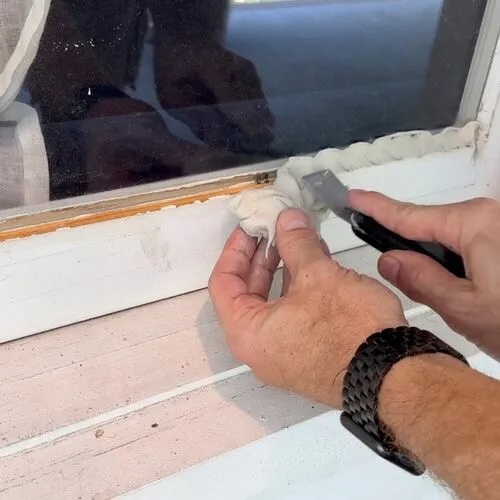
Glaziers are also skilled in fixing and maintaining window frames as well as other components. They will evaluate the damage, choose a repair method and conduct a thorough inspection prior to installing a new glass. This involves securing the glass by using caulking or glazing compounds, as well as repairing or changing frames, fasteners and hardware.
Communication and collaboration are important aspects of the job of a glazier, just like they are for other tradespeople. They frequently interact with architects and project managers as well as other tradespeople to comprehend design specifications and discuss installation methods. They also work with customers to ensure their needs are fulfilled during the glass production and installation process.
Certain glaziers are specialized in certain applications, such as shower screens or decorative panels. They might also be involved in bespoke endeavors such as creating stained glass for churches or heritage building. These special projects require a high degree of expertise in both traditional and contemporary architectural styles and techniques.
Glaziers are also experienced in preparing, transporting large glass structures to the construction site. This is a challenging task, and they'll require a range of equipment and tools that are specially designed for the job. They also need to be able to navigate the difficult work environments, including hazardous areas.
Glaziers are required to follow various safety regulations and practices as part of their job in order to avoid injury. Wearing protective clothing, securing their materials and tools in a safe manner, and taking measures to avoid exposure to dangers like flying debris are all a part of this. Additionally, glaziers must be prepared for the risks that come with working at heights, including being at risk of falls and being crushed by large sheets of glass.
A career as an artisan glazier may be a rewarding option for those who are interested in joining the skilled trades. To get started you'll need the right qualifications and experiences. A high school diploma is the minimum requirement for the majority of skilled trades, but further education can be beneficial. Glaziers also need an approved tradesperson's licence. This is available through the Queensland Building and Construction Commission, who issue a licensed Glazier scope of work license specifically for those who want to work in the industry.
Maintenance
Glaziers repair, replace, and examine existing glass features on structures. They also offer advice on energy efficiency, aesthetic enhancements and security. They provide technical expertise and artistic design to construction projects, whether they are working on a room divider that is architectural or a beautiful skylight.
Most glaziers work full-time. After obtaining a high school diploma or its equivalent, they usually go through an apprenticeship of four years in a vocational course or one sponsored by a contractor or union association. On-the-job training combines formal education with practical application of skills. This includes specialized methods, safety protocols, and basic math. They must be skilled with a variety of hand and power tools as well as other materials such as metal framing, drywall and insulation.
In addition to working on-site, glaziers work in fabrication or workshops facilities, where they can perform specialized duties such as cutting and shaping glass, glass fabrication and polishing. In these controlled settings they can concentrate on the technical aspects of their craft and guarantee accuracy in their work.
Beyond their workshops, glaziers are often called to work on-site to fix broken windows or other damaged glass installations. In these situations they need to be prepared to evaluate the damage and address it in a timely manner, employing a variety of repair options that range from using adhesives specially designed for glass to attaching plastic sheets or applying epoxy to stop any further damage to the installation.
When they move from one place to the next, glaziers need to be aware of their physical demands. They might need to stand or stoop for long periods of time, and also lift heavy sheets of glass. Window Glazier and Glazing middlesbrough Repair My Windows And Doors run the risk of falling on scaffolding or ladders and are exposed to solvents from sealants, adhesives, etching chemicals, etc. They must also follow the roper's guidelines for working at heights and follow strict fall protection plans.
Glaziers can progress their careers by becoming journeymen and eventually superintendents or foremen. Those who are skilled at coordinating labor teams and laying out materials, can visualize the final product, and have excellent people skills are often promoted to supervisory positions.